
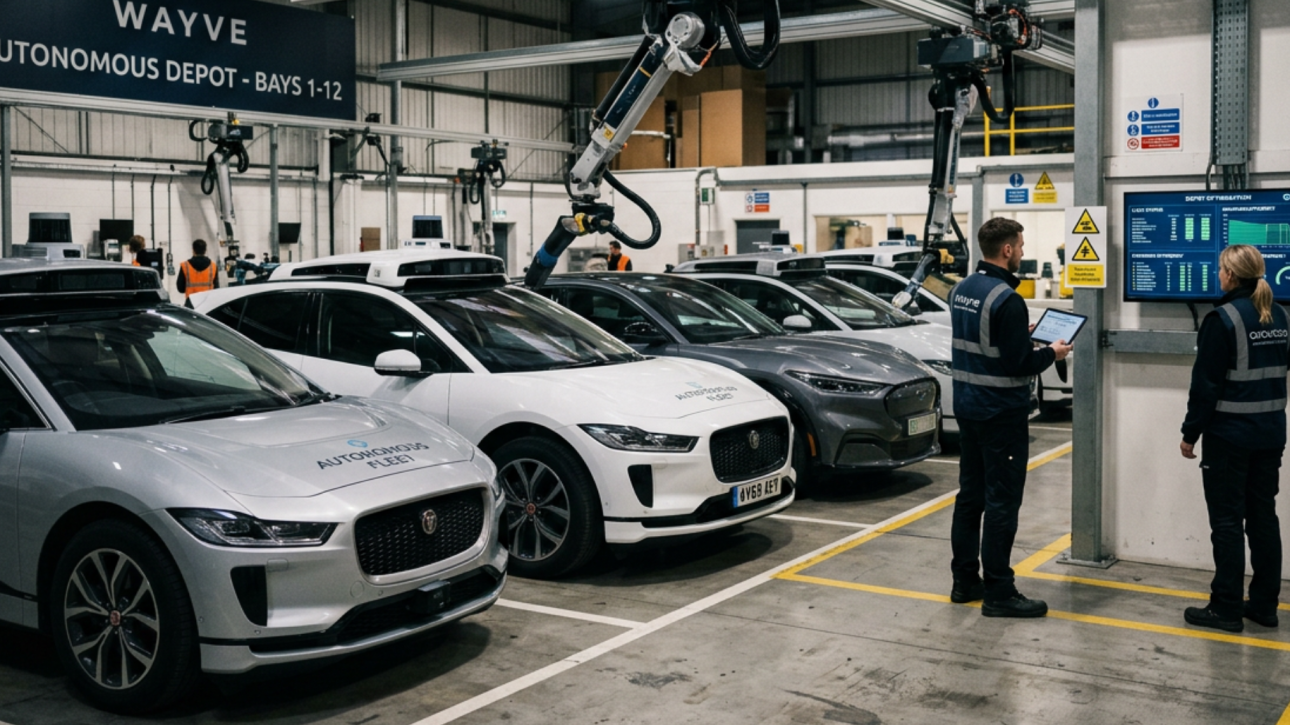
A UK-focused robotics company has introduced a next-generation hands-free charging system designed to support the rapid scaling of autonomous electric vehicle fleets. The solution addresses a critical operational bottleneck in robotaxi and autonomous mobility ecosystems-manual charging at fleet depots.
As autonomous vehicle deployment expands globally, depot efficiency is emerging as a key determinant of commercial scalability. Charging processes that require human intervention introduce delays, increased costs, and operational constraints that limit fleet uptime.
Multi-Bay Automation for Fleet Efficiency
The new…

Global investment in autonomous vehicles has surged to a record $21.4 billion in 2026, marking a more than threefold increase compared to the full year 2025. The funding was distributed across just 34 deals through mid-April, signaling a significant shift in capital allocation strategies within the mobility technology sector.
For C-level executives, the trend reflects a clear transition from broad-based startup funding to concentrated investments in category-defining leaders.
Capital Concentration Around Market Leaders
A dominant share of the autonomous vehicle…
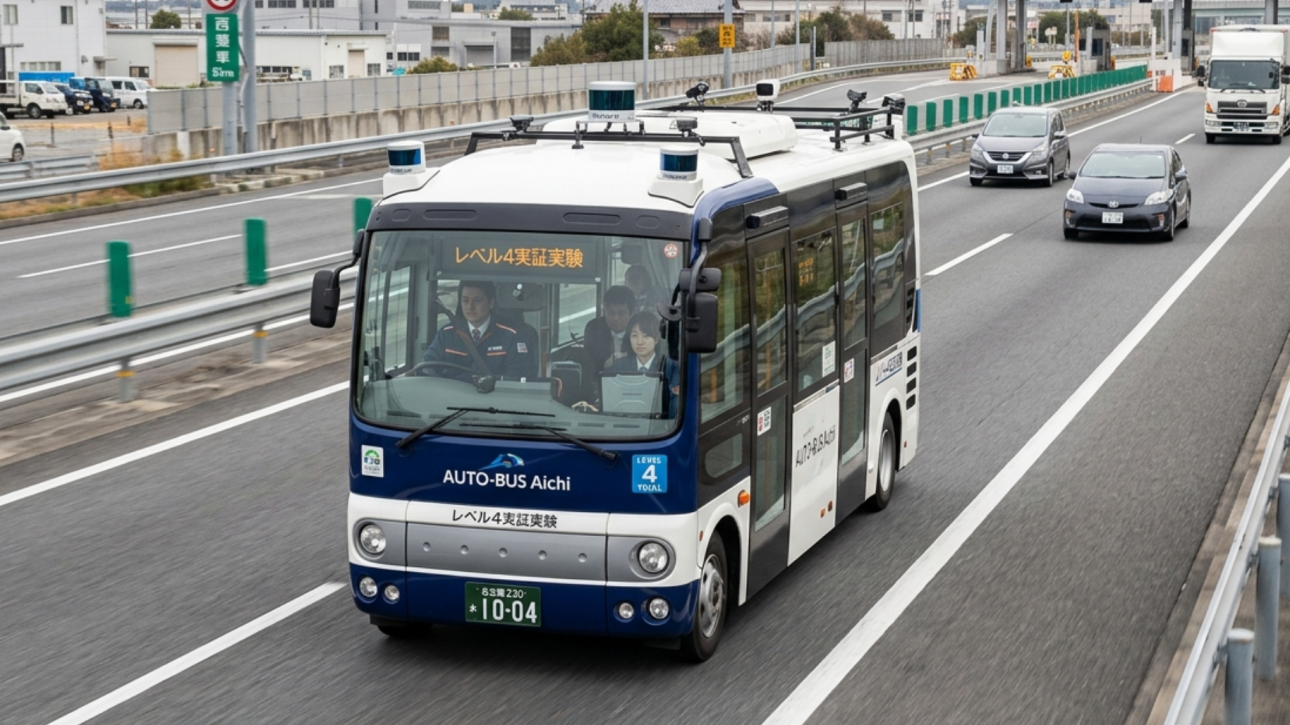
Aichi Targets Level 4 Autonomous Expressway Bus by 2027, Signaling Shift in Scalable Mobility
Japan’s Aichi Prefecture is accelerating its push toward next-generation transport, with plans to deploy the country’s first commercially operated Level 4 autonomous bus service on an expressway by fiscal 2027.
The initiative reflects a broader strategic move to position autonomous mobility as a scalable, real-world solution for high-efficiency transport networks.
Successful Trials Establish Operational Confidence
Initial trials conducted in fiscal 2025 demonstrated strong operational viability. Level…
A UK-focused robotics company has introduced a next-generation hands-free charging system designed to support the rapid scaling of autonomous electric vehicle fleets. The solution addresses a critical operational bottleneck in robotaxi and autonomous mobility ecosystems-manual charging at fleet depots.
As autonomous vehicle deployment expands globally, depot efficiency is emerging as a key determinant of commercial scalability. Charging processes that require human intervention introduce delays, increased costs, and operational constraints that limit fleet uptime.
Multi-Bay Automation for Fleet Efficiency
The new…
Global investment in autonomous vehicles has surged to a record $21.4 billion in 2026, marking a more than threefold increase compared to the full year 2025. The funding was distributed across just 34 deals through mid-April, signaling a significant shift in capital allocation strategies within the mobility technology sector.
For C-level executives, the trend reflects a clear transition from broad-based startup funding to concentrated investments in category-defining leaders.
Capital Concentration Around Market Leaders
A dominant share of the autonomous vehicle…
Aichi Targets Level 4 Autonomous Expressway Bus by 2027, Signaling Shift in Scalable Mobility
Japan’s Aichi Prefecture is accelerating its push toward next-generation transport, with plans to deploy the country’s first commercially operated Level 4 autonomous bus service on an expressway by fiscal 2027.
The initiative reflects a broader strategic move to position autonomous mobility as a scalable, real-world solution for high-efficiency transport networks.
Successful Trials Establish Operational Confidence
Initial trials conducted in fiscal 2025 demonstrated strong operational viability. Level…