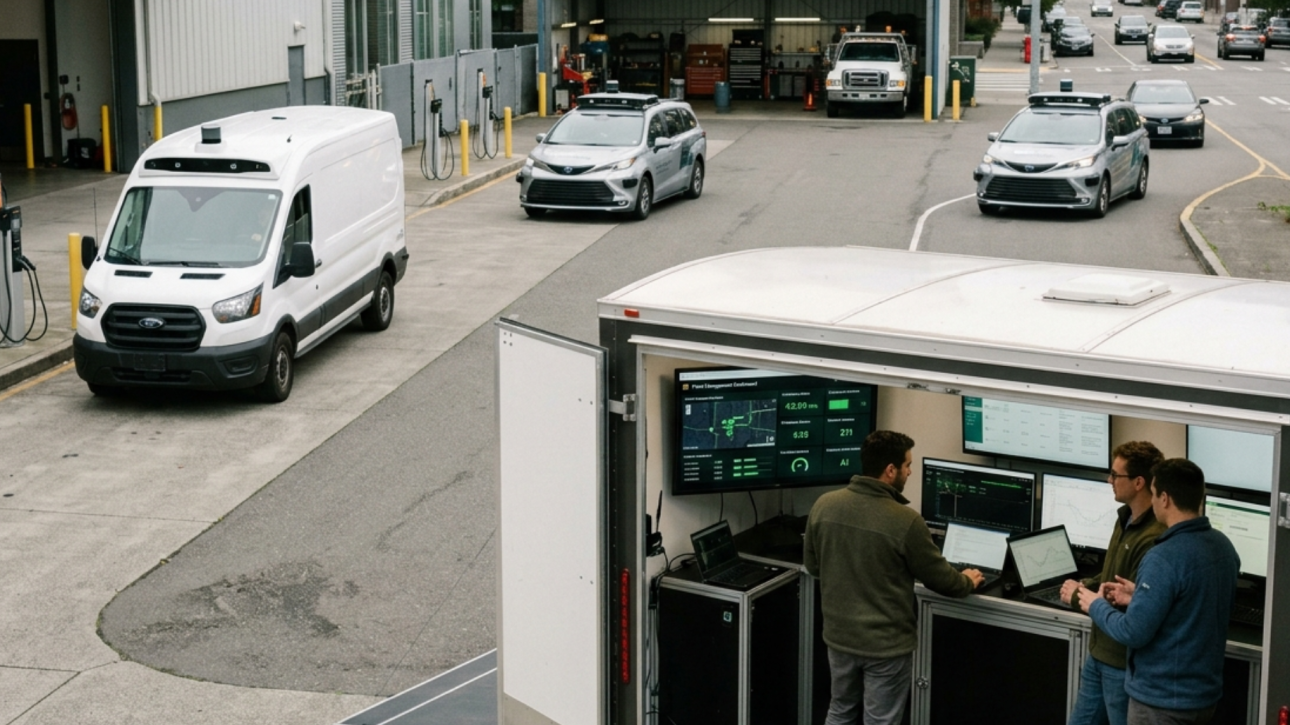
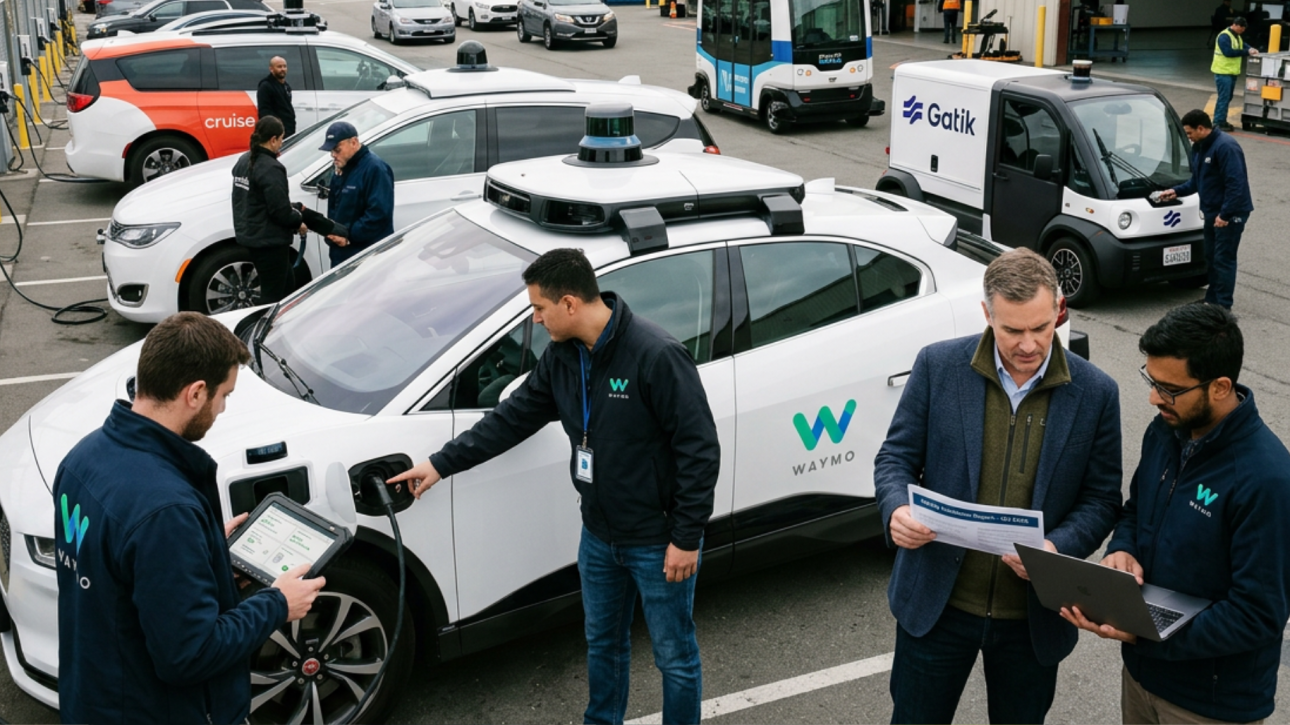
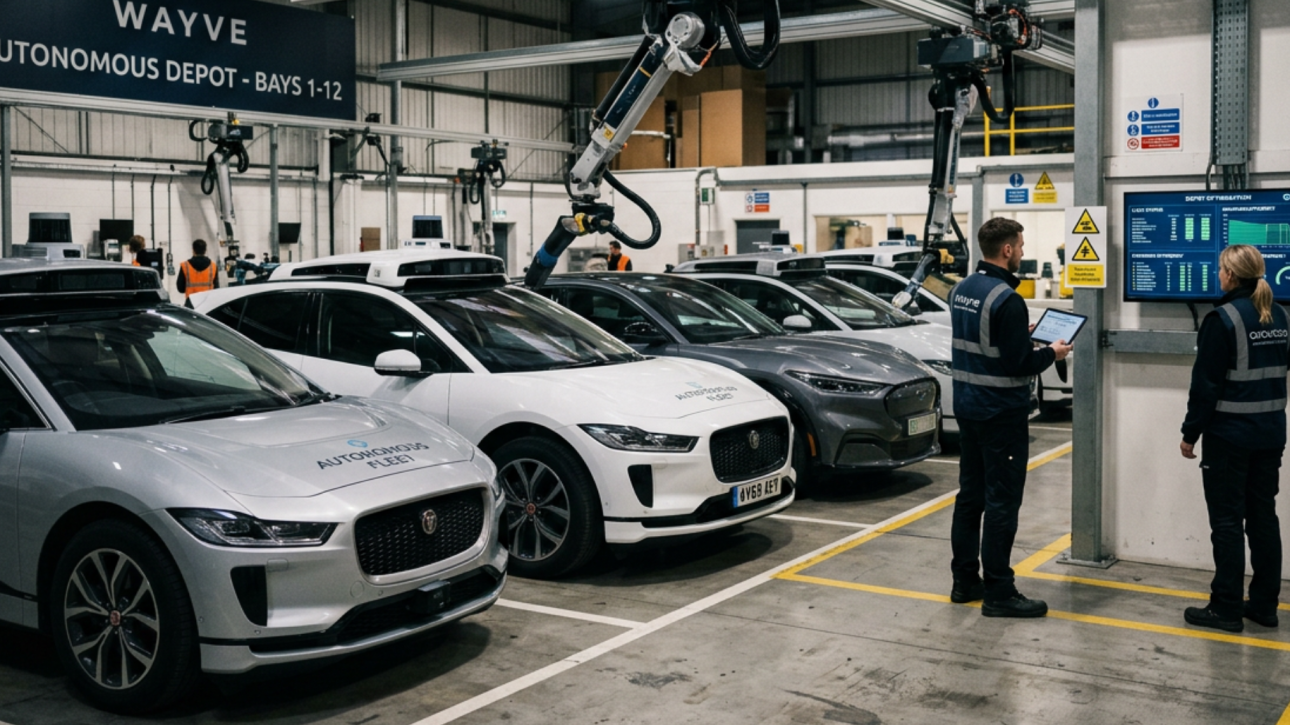
A UK-focused robotics company has introduced a next-generation hands-free charging system designed to support the rapid scaling of autonomous electric vehicle fleets. The solution addresses a critical operational bottleneck in robotaxi and autonomous mobility ecosystems-manual charging at fleet depots.
As autonomous vehicle deployment expands globally, depot efficiency is emerging as a key determinant of commercial…
Global investment in autonomous vehicles has surged to a record $21.4 billion in 2026, marking a more than threefold increase compared to the full year 2025. The funding was distributed across just 34 deals through mid-April, signaling a significant shift in capital allocation strategies within the mobility technology sector.
For C-level executives, the trend reflects…
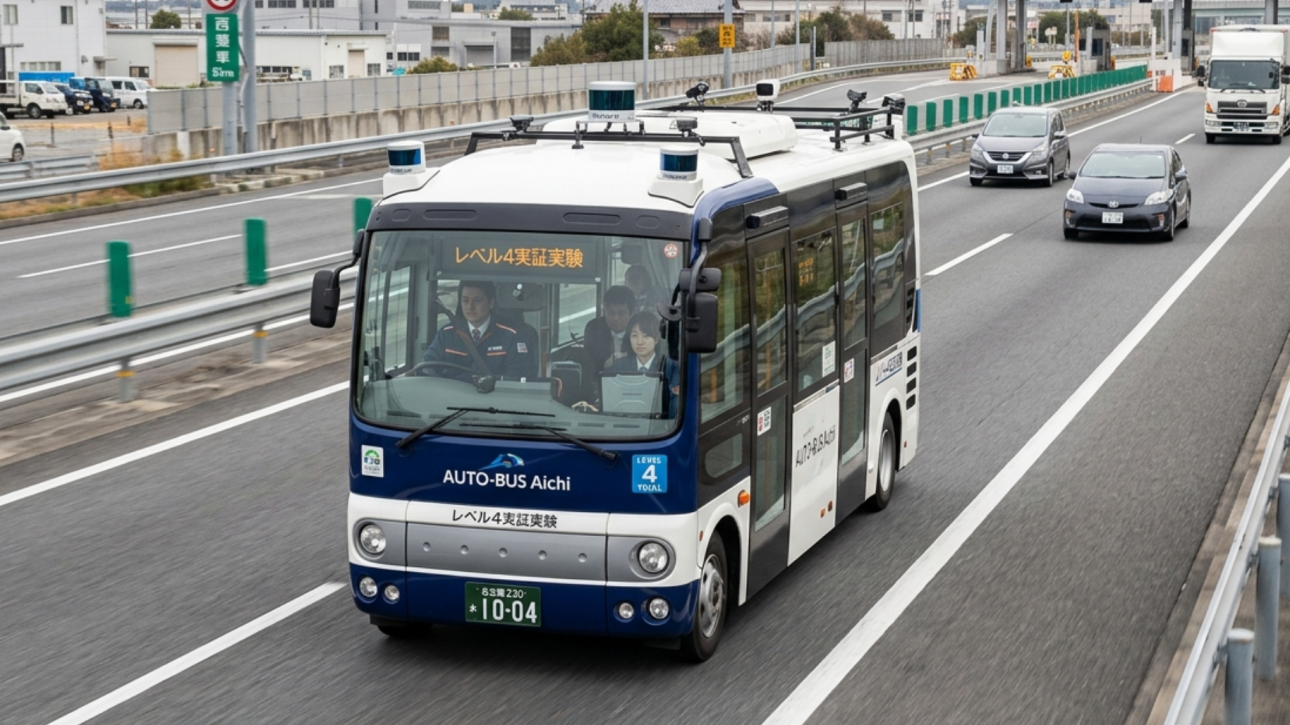
Aichi Targets Level 4 Autonomous Expressway Bus by 2027, Signaling Shift in Scalable Mobility
Japan’s Aichi Prefecture is accelerating its push toward next-generation transport, with plans to deploy the country’s first commercially operated Level 4 autonomous bus service on an expressway by fiscal 2027.
The initiative reflects a broader strategic move to position autonomous mobility…
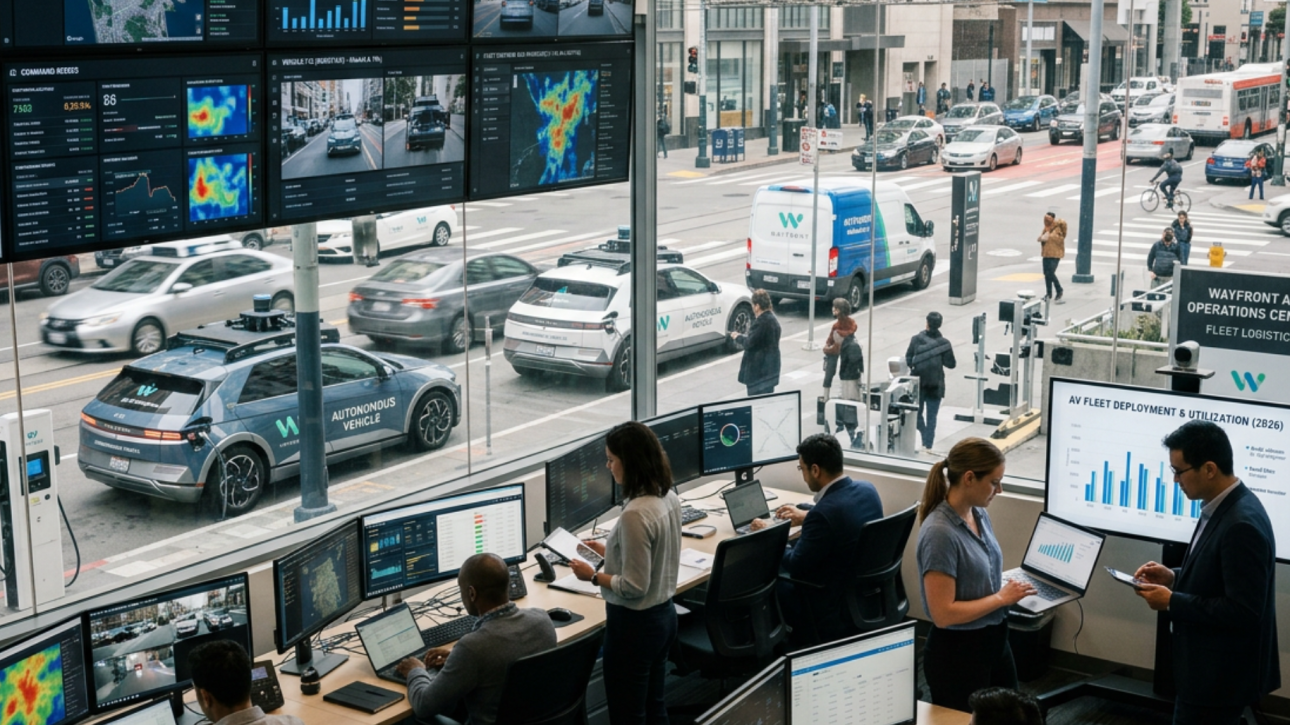
The transition to autonomous mobility is no longer a series of isolated pilot programs. In 2026, the industry has reached a stage of scaled deployment where transportation economics are being fundamentally rewritten. For the C suite, the challenge has shifted from technical validation to market formation and the capture of high margin software services.
The…
From Experimentation to Commercial Reality
The global autonomous systems and vehicles market is entering a decisive phase.
What was once confined to pilot programs and controlled testing environments is now transitioning into commercial deployment across multiple sectors-from passenger vehicles and robotaxis to logistics, agriculture, and industrial automation.
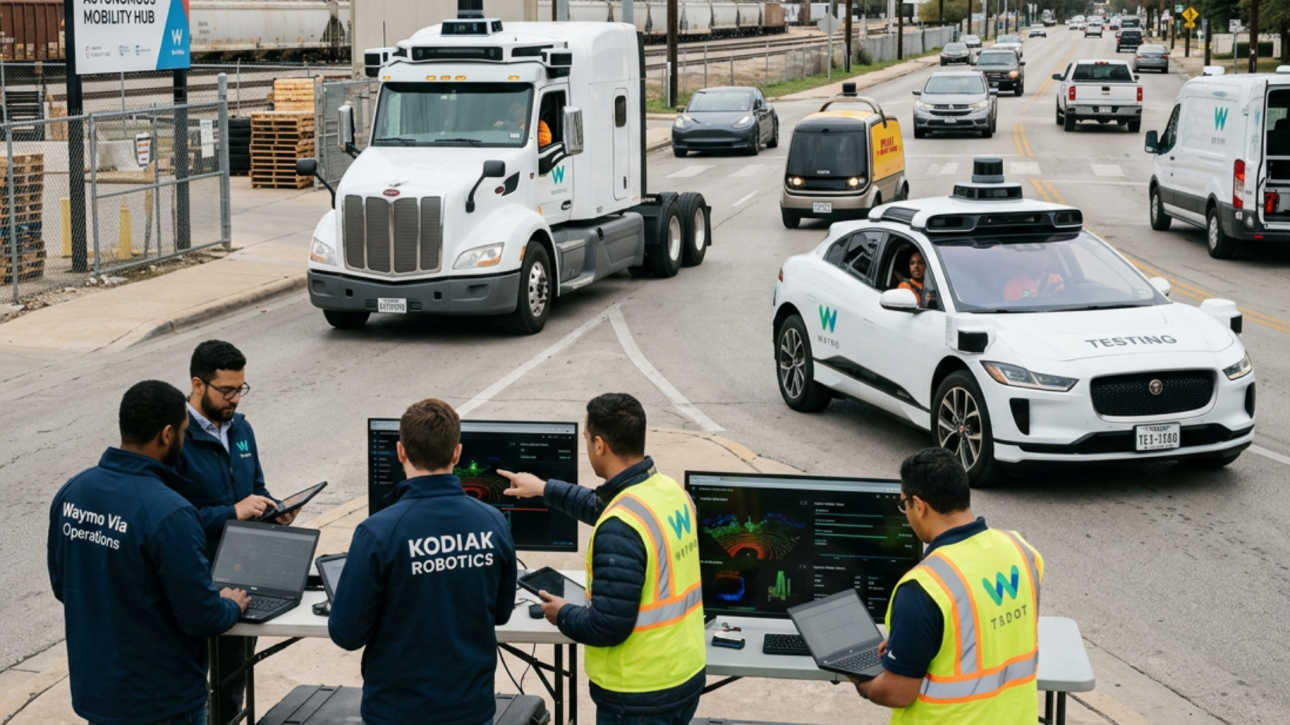
With companies like Waymo already operating commercial robotaxi…
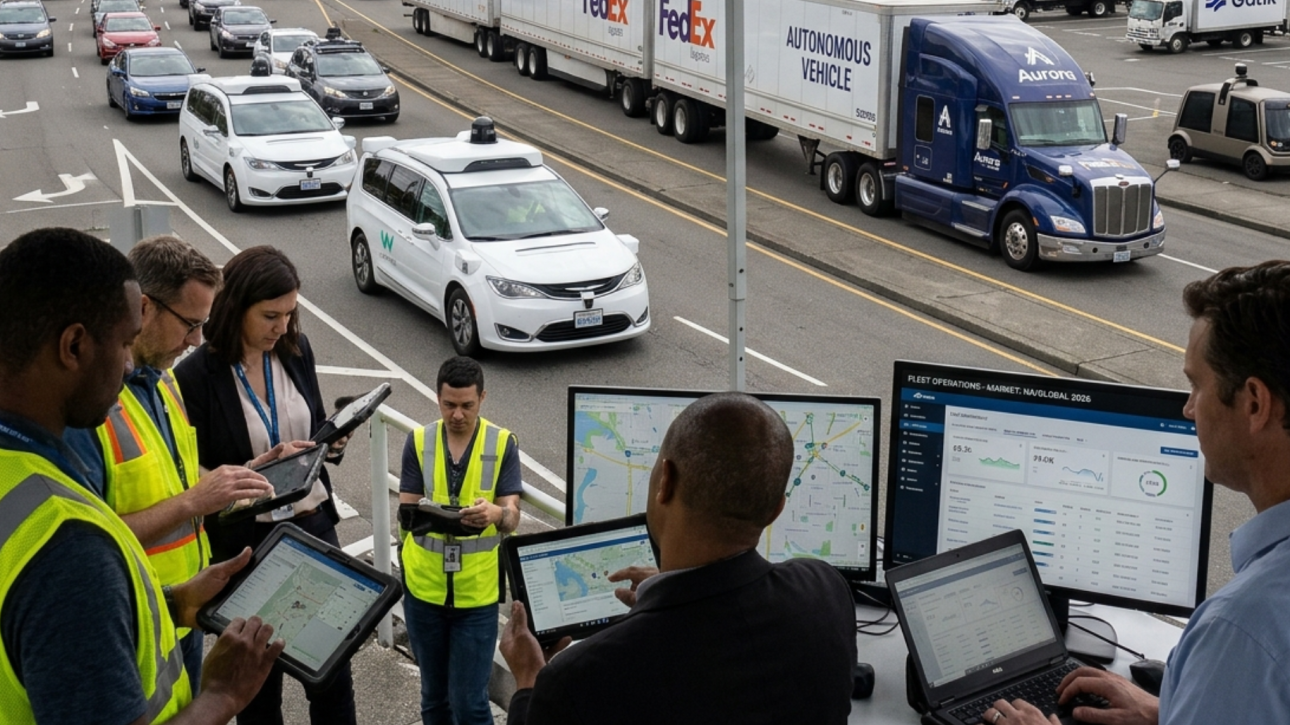
The second week of March 2026 marks a structural shift in the autonomous mobility sector. We have moved past the era of isolated urban pilots into a "Supercycle" of global deployment. Driven by massive capital injections and the first standardized international safety protocols, the leading players are now competing on operational velocity and software licensing…
The first week of March 2026 has delivered a series of rapid-fire milestones that signal the transition of autonomous mobility from "experimental" to "essential." For C-suite leaders, the "good news" this week isn't just about technical demos; it’s about the massive scale-up of driverless fleets and the arrival of the first truly global regulatory framework.…
Seeing Machines Establishes Future Mobility Group to Accelerate Autonomous Vehicle Commercialisation
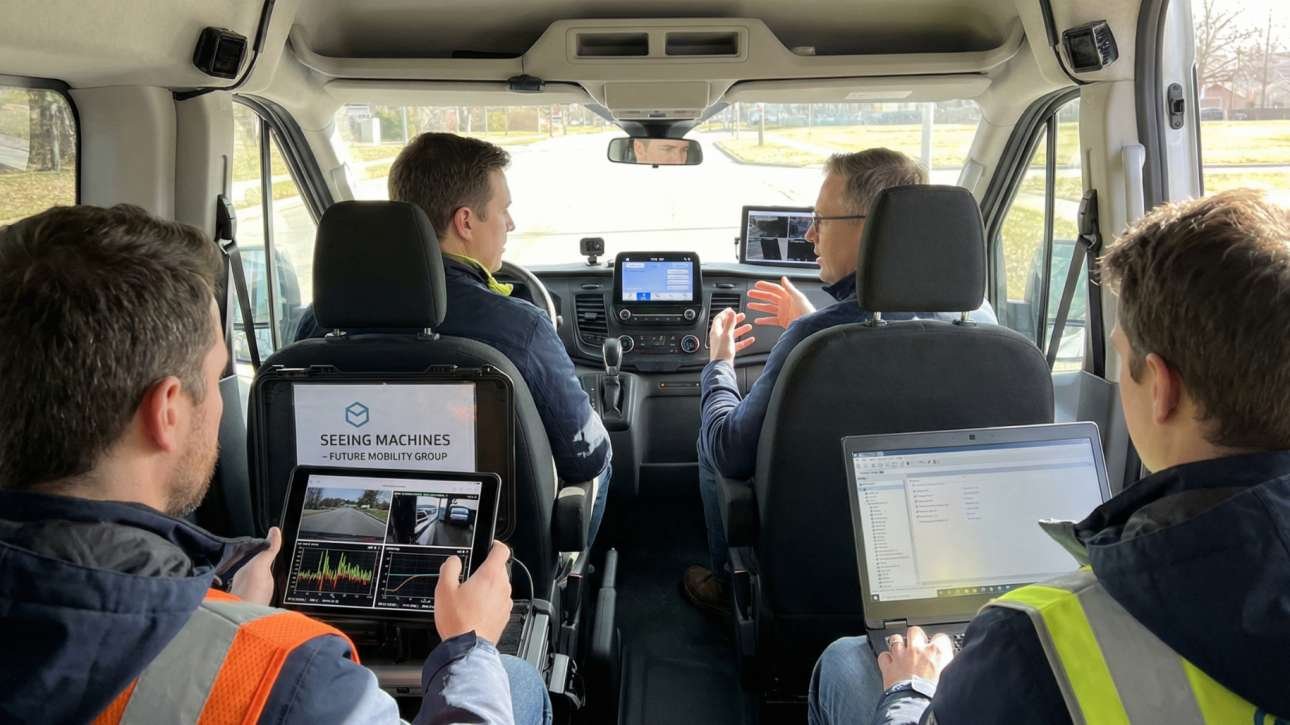
As autonomous vehicle programs transition from experimentation to commercial reality, Seeing Machines has announced the launch of a dedicated Future Mobility Group, reinforcing its strategic focus on safety, scalability, and human-cantered autonomy. The new group is designed to support OEMs and autonomous vehicle (AV) developers as they integrate production-ready driver and occupant monitoring systems (DMS/OMS)…
Why the commercial launch of autonomous taxis in Dubai will reshape urban transport, regulation, and AI deployment worldwide
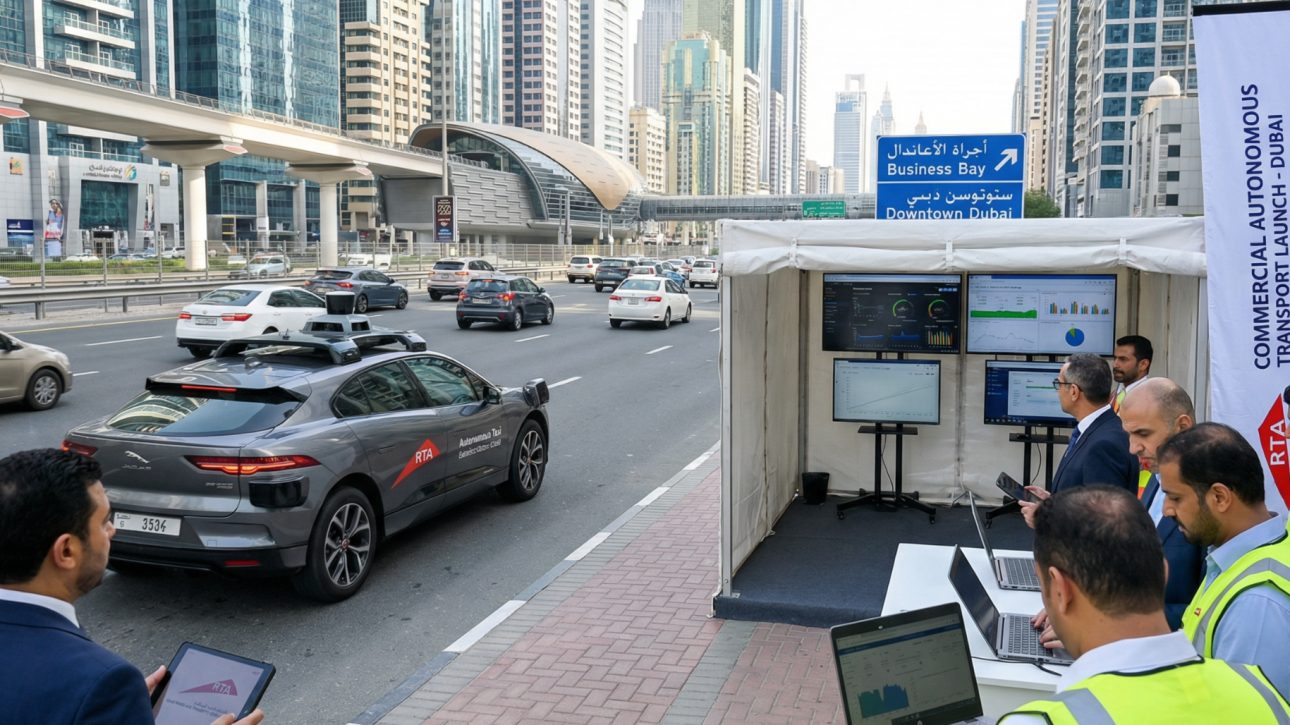
Dubai’s official launch of fully autonomous taxi operations is not just a local smart-city milestone-it is a global inflection point for the future of mobility.
With Sheikh Hamdan bin Mohammed bin Rashid Al Maktoum inaugurating the service…
CES 2026 marked a decisive shift in the global mobility narrative. For the first time in years, the industry’s center of gravity moved away from electric vehicles and firmly toward autonomous driving at scale. This is not a speculative pivot-it reflects real progress in artificial intelligence, sensing hardware, and data infrastructure that is pushing autonomy…