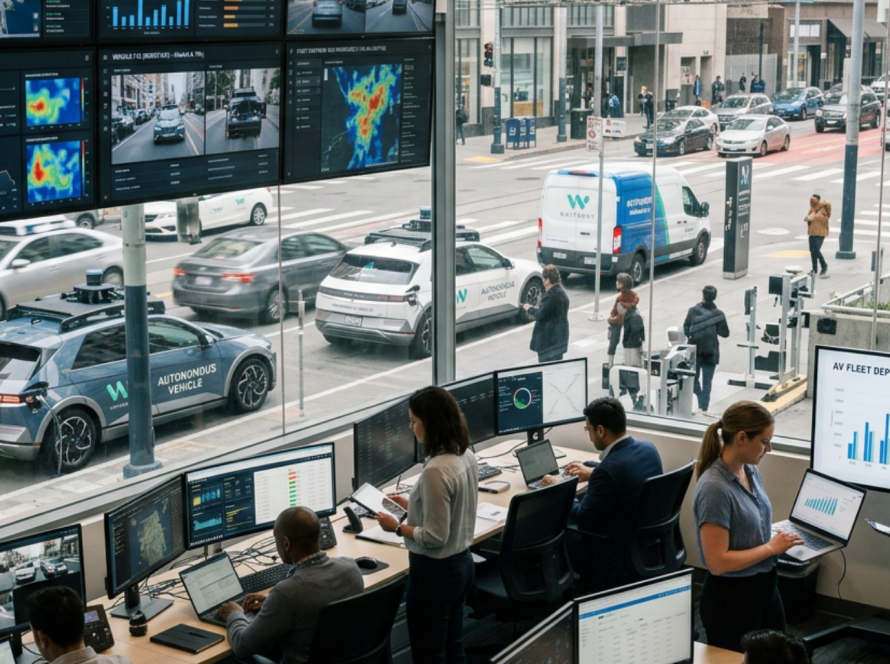
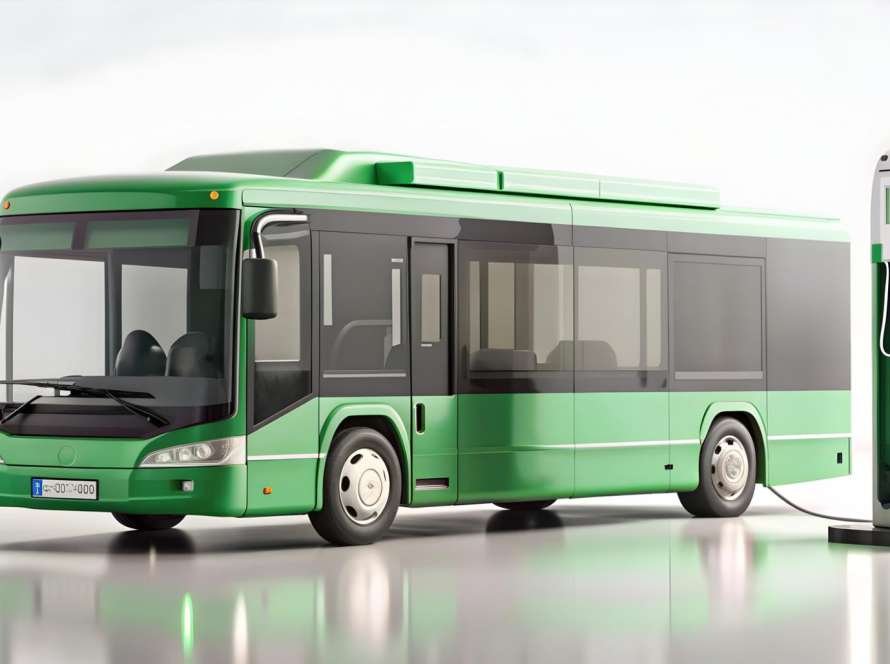
The transition to autonomous mobility is no longer a series of isolated pilot programs. In 2026, the industry has reached a stage of scaled deployment where transportation economics are being fundamentally rewritten. For the C suite, the challenge has shifted from technical validation to market formation and the capture of high margin software services.
The Rise of the Software-Defined Vehicle (SDV)
The most significant disruption in the current landscape is not the absence of a driver. It is the transformation of the vehicle into a digital platform. Vehicles are no longer static mechanical products. They are evolving assets capable of continuous improvement.
- Lifecycle Monetization: Shifting from one time hardware sales to recurring revenue through over the air software updates and feature subscriptions.
- Continuous Upgrades: Utilizing digital twin technology to improve vehicle performance and safety protocols post purchase.
- Platform Architecture: Competitive advantage is now determined by software capability and AI integration rather than traditional manufacturing scale.
The Data Flywheel: Building a Competitive Moat
Autonomous mobility is fundamentally a data business. Every vehicle in a fleet serves as a sensor node, constantly generating insights into edge case driving scenarios and behavioral patterns. This creates a powerful flywheel effect that defines market leadership.
More vehicles generate more data, which leads to better AI models and a superior user experience. This cycle attracts more users, further expanding the fleet and the data pool. For late entrants, this creates a significant barrier to entry, as the cost of catching up to the data scale of early movers becomes structurally prohibitive.
Multimodal Integration and Infrastructure
The future of mobility is a unified, multimodal ecosystem. Autonomous vehicles are a single component in a broader transport layer that includes delivery systems, micromobility, and urban air mobility.
Structural Shifts for 2026:
- AI Cost Compression: Advancements in vision systems are reducing the need for expensive sensor stacks, making autonomous fleets commercially viable.
- Regulatory Clarity: Governments are transitioning from cautious testing to enabling large scale deployment in urban corridors.
- Infrastructure Synergy: The emergence of smart corridors and V2X communication is optimizing route efficiency and reducing city congestion.
Strategic Imperative: Think Ecosystem, Not Product
For leadership, the takeaway is clear. Mobility is becoming autonomous, connected, and platform driven. Winning in this environment requires a shift in thinking from selling a product to managing an ecosystem. Organizations must secure their data advantages early and build partnerships across the AI and infrastructure sectors to ensure long term operational viability.
The Autonomous Mobility Xchange 2026 provides the strategic framework for executives to navigate this shift from hardware manufacturing to platform architecture. Success now depends on the ability to integrate AI driven navigation with the emerging infrastructure of smart cities.
Explore the Strategic Roadmap
Join the industry pioneers and technical architects defining the next phase of autonomous transport. Discover the full speaker lineup and session details by visiting our official agenda.