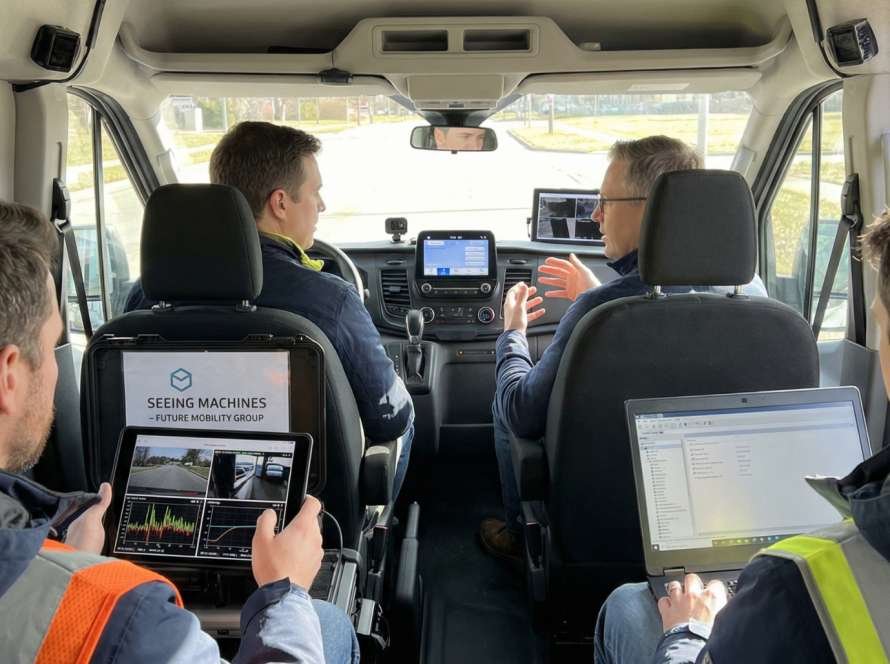
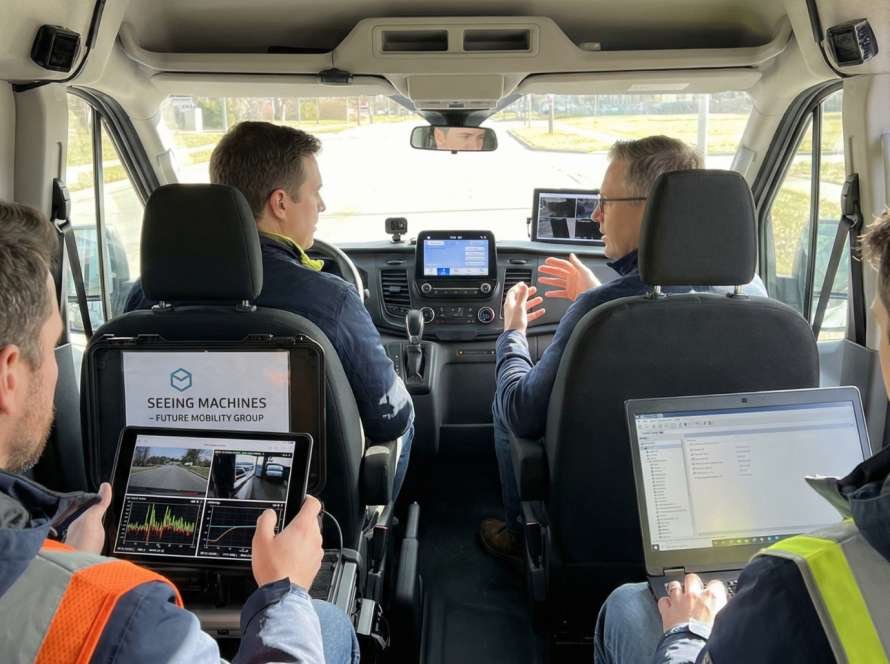
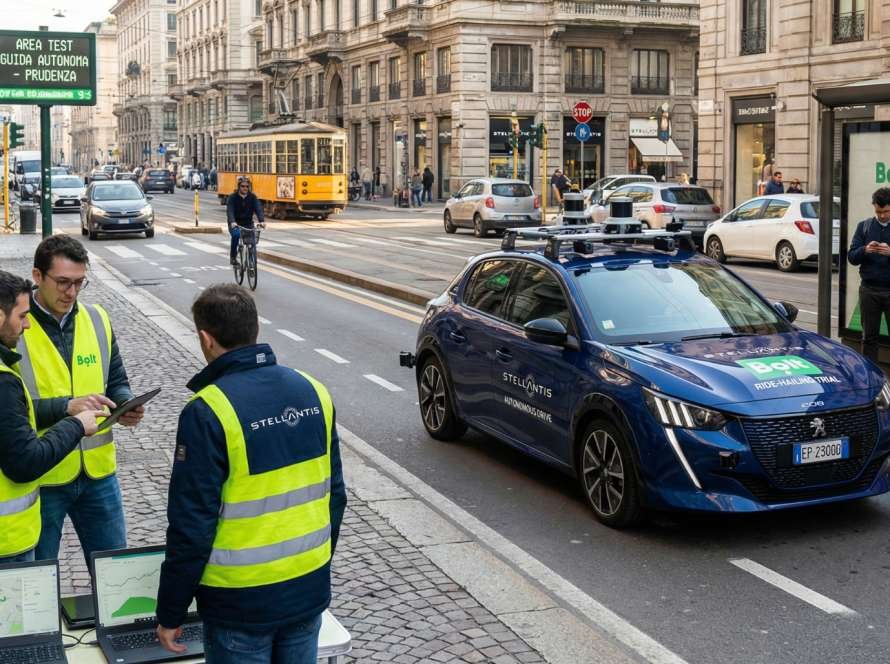
The future of autonomous mobility is no longer theoretical-it is being actively shaped by targeted public investment, advanced research infrastructure, and a clear federal mandate. A new funding opportunity issued by the Center for Connected and Automated Transportation (CCAT) underscores how rapidly the United States is moving toward real-world deployment of connected and automated mobility systems.
Backed by $2.1 million in federal funding and supported by the U.S. Department of Transportation under the Bipartisan Infrastructure Law, CCAT’s 2026 call for proposals sends a strong signal to industry leaders: autonomous mobility is transitioning from pilot programs to scalable, safety-critical infrastructure.
Why This Matters to the C-Suite
For executives overseeing transportation, infrastructure, smart cities, logistics, or advanced mobility platforms, CCAT’s initiative is not academic-it is strategic. The program prioritizes deployable research with measurable outcomes, focusing on the technologies and systems that will define how autonomous vehicles integrate into public roadways, cities, and regional transportation networks.
This funding opportunity reflects where policy, capital, and innovation are converging in 2026.
Autonomous Mobility as a System, not a Product
CCAT’s framework recognizes that autonomous mobility is not simply about vehicles-it is about ecosystems. Its research agenda spans four tightly connected pillars:
1. Safety as the Non-Negotiable Foundation
Autonomous systems must safely interact with human drivers, pedestrians, cyclists, and emergency responders. CCAT is advancing research into:
- Safe AV operation and edge-case handling
- Vehicle-to-everything (V2X) communication
- OTA updates and verification of production-level autonomy
For executives, this reinforces a core reality: safety readiness will determine speed to market.
2. Infrastructure-Led Mobility Transformation
Roadways, intersections, and digital infrastructure must evolve alongside autonomy. CCAT targets:
- CAV-ready roadway infrastructure
- Cooperative driving automation
- Intelligent intersections and digital traffic control
This positions infrastructure not as a cost centre, but as a strategic enabler of autonomous mobility at scale.
3. Cybersecurity as a Board-Level Risk
As vehicles become software-defined and network-connected, cybersecurity becomes existential. CCAT prioritizes:
- AI-driven cyber defence
- Secure V2X architectures
- Post-quantum cryptography readiness
For leadership teams, this aligns autonomous mobility with enterprise risk management and national infrastructure security.
4. Accessibility and Autonomous Mobility Services
Automation must expand access-not narrow it. CCAT’s accessibility focus includes:
- Robotaxi deployment models
- Rural and underserved mobility solutions
- Inclusive AV design for elderly and disabled users
This elevates autonomous mobility from innovation to social and economic infrastructure.
Mcity 2.0: From Research to Reality
A defining strength of this initiative is its integration with Mcity 2.0, one of the world’s most advanced mixed-reality test environments for connected and automated vehicles. This facility enables:
- Real-world validation of AV systems
- Infrastructure-vehicle interaction testing
- Accelerated commercialization pathways
For executives evaluating partnerships or technology readiness, this significantly reduces the gap between research and deployment.
Strategic Implications for Industry Leaders
CCAT’s 2026 funding call highlights several unavoidable truths:
- Autonomous mobility is now a federally prioritized infrastructure domain
- Deployment readiness matters more than conceptual innovation
- Safety, cybersecurity, and accessibility are inseparable from growth
- Public-private alignment is accelerating commercialization timelines
Organizations that align early-through research partnerships, pilots, or technology integration-will be best positioned to influence standards, capture market share, and shape policy outcomes.
The Bottom Line
Autonomous mobility is entering its execution phase. CCAT’s funding initiative is not about distant futures-it is about building the operational, secure, and inclusive transportation systems that will define the next decade.For C-level executives, the message is clear: autonomous mobility is no longer an R&D discussion-it is a strategic imperative.
Read more on : How Autonomous Driving Is Scaling from Pilot to Global Adoption