CES 2026 marked a decisive shift in the global mobility narrative. For the first time in years, the industry’s center of gravity moved away from electric vehicles and firmly toward autonomous driving at scale. This is not a speculative pivot-it reflects real progress in artificial intelligence, sensing hardware, and data infrastructure that is pushing autonomy from experimentation into deployment.
What changed is not ambition, but capability.
The rapid expansion of the AI ecosystem-spanning physical AI, simulation, edge computing, and data synthesis-has unlocked a new development curve. Nvidia’s newly unveiled Alpamayo physical AI platform exemplifies this moment, enabling autonomous systems to learn faster by combining real-world and simulated driving data at unprecedented scale.
For global mobility leaders, CES 2026 signals a clear inflection point.
Robotaxis Lead the Autonomy Transition
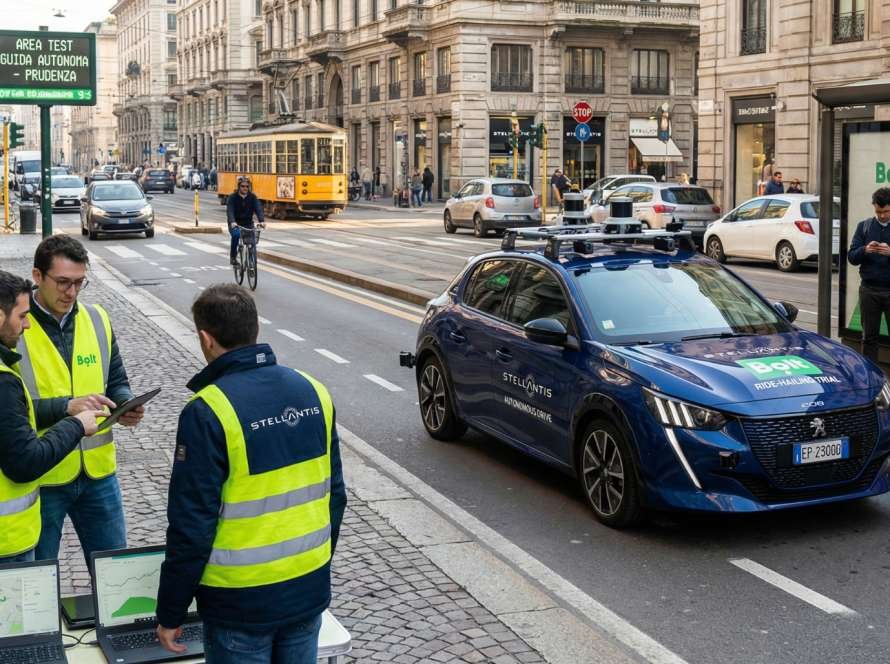
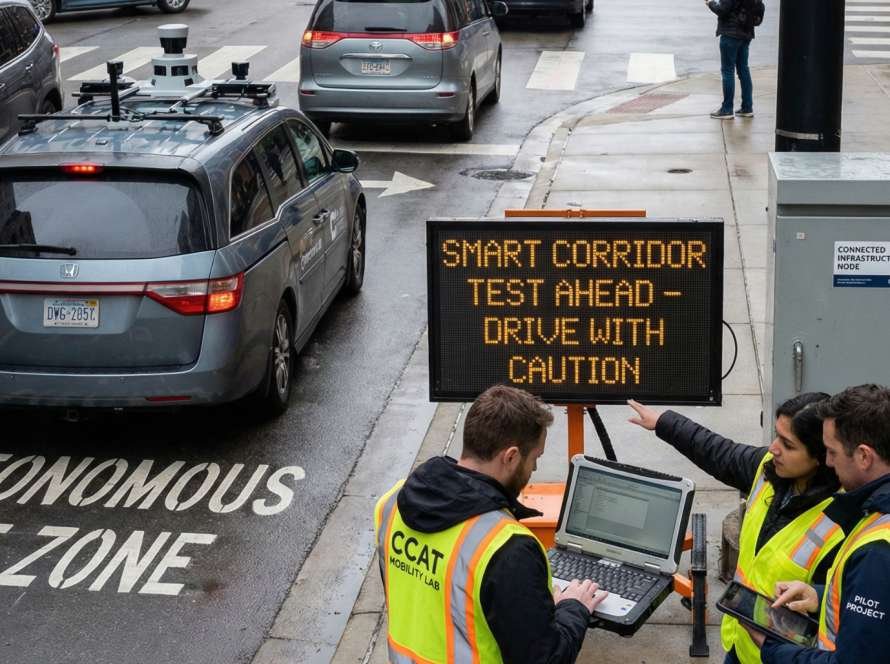
Autonomous ride-hailing has emerged as the most commercially viable pathway to Level 4 (L4) autonomy. Companies such as Waymo, Zoox, Uber, and Lucid outlined expansion plans across major urban markets in 2026, including challenging cold-weather cities previously considered high-risk for autonomy.
Waymo alone has now logged more than 100 million autonomous miles, moving rapidly toward multi-city deployment. Uber’s planned commercial rollout of autonomous ride services later this year underscores a broader industry consensus: robotaxis are no longer pilots-they are early infrastructure.
This shift matters globally. Autonomous mobility is transitioning from a consumer technology narrative to a transport systems transformation.
Automakers Advance from Assisted Driving to Conditional Autonomy
While most consumer vehicles remain at Level 2, CES revealed tangible progress toward Level 3 and Level 4 systems. Automakers are no longer treating autonomy as a single leap, but as a staged, software-driven transition.
Key developments include:
- Expanded L3 roadmaps for premium vehicles
- AI-enabled ADAS platforms designed for rapid software upgrades
- Re-imagined in-vehicle experiences as attention shifts away from driving
As autonomy increases, the vehicle cabin is evolving into a digital environment, opening new value pools in infotainment, personalization, data services, and platform monetization.
Partnerships Are Accelerating Time to Market
One of the strongest signals from CES 2026 was the centrality of partnerships. Autonomous driving is no longer a vertically integrated race-it is a systems challenge.
Nvidia’s Alpamayo platform reflects this shift by offering open physical AI models and datasets that can be adapted across geographies and driving conditions. Automakers such as Mercedes-Benz and Lucid are already leveraging this ecosystem to accelerate development cycles.
Similar collaboration models are emerging across logistics, trucking, and industrial autonomy, where cost, safety, and scale are paramount.
Autonomy Expands Beyond Passenger Vehicles
CES 2026 reinforced that autonomy’s largest near-term impact may occur outside personal cars.
Heavy industry leaders such as Caterpillar, Deere, Kubota, and Aurora showcased autonomous and semi-autonomous systems in construction, agriculture, mining, and long-haul trucking. These applications deliver immediate productivity gains, address labor shortages, and reduce safety risks-making them economically compelling even before full autonomy in consumer vehicles.
Autonomous machinery is becoming a global competitiveness lever, particularly in resource-intensive and infrastructure-heavy economies.
Executive Outlook: Why CES 2026 Matters
CES 2026 confirmed that autonomous driving has crossed a strategic threshold. The convergence of AI platforms, scalable partnerships, and real-world deployment has shifted autonomy from hype to execution.
For executives, the implications are clear:
- Autonomous systems are becoming core infrastructure, not optional innovation
- Competitive advantage will flow to companies that integrate AI, data, and partnerships effectively
- Mobility’s future will be shaped as much by industrial autonomy as by consumer vehicles
Autonomous driving is no longer a distant vision. In 2026, it is becoming a global operating reality-and the companies that recognize this shift early will define the next decade of mobility.
Read About Thought Xchange Network connecting energy and sustainability leaders