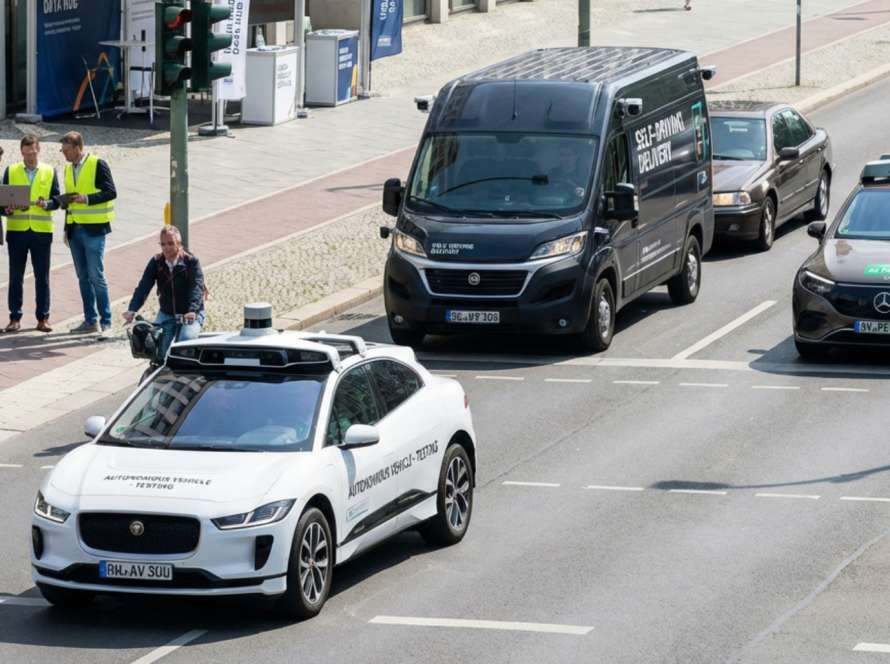
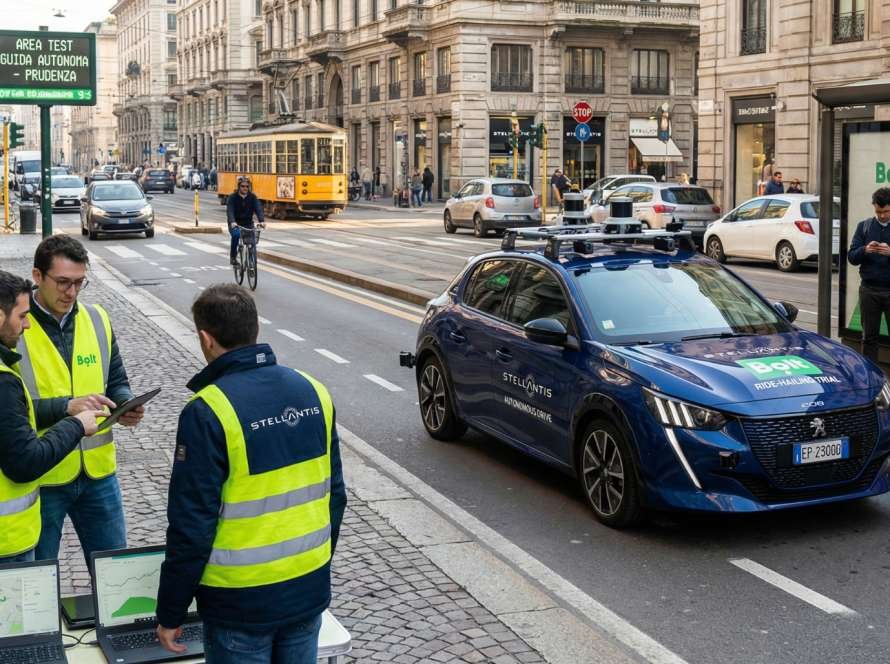
The driverless future is no longer a distant vision-it is being built today, on the streets of major cities around the world. In 2025, robotaxi deployments have moved decisively from closed-track testing to real-world commercial operations, with ride-hailing platforms, automakers, and autonomous technology firms launching services across North America, Europe, China, and the Middle East.
For C-suite leaders in mobility, logistics, urban planning, and technology, this shift represents both a strategic opportunity and a new competitive landscape. Robotaxis are evolving from pilot projects into scalable, revenue-generating services that promise safer, more efficient, and lower-cost urban transportation.
From Trials to Commercial Operations
What was once limited to tightly controlled test zones is now expanding into everyday urban environments. In several global cities, fully driverless robotaxi services are already operating 24/7 in designated areas, offering point-to-point rides to the public without safety drivers on board.
Key developments include:
- In one major Chinese city, a mass-produced robotaxi model has begun 24-hour, fully driverless commercial operations in a dense urban district, serving high-demand routes to the airport and main railway station.
- In another Chinese metropolis, a driverless ride-hailing service has launched in a large high-level autonomous driving zone, with vehicles operating in designated areas of the central business district.
- In the United States, a fully autonomous ride-hailing service is now available 24/7 across an 80-square-mile area, including major commercial, entertainment, and university districts.
These rollouts demonstrate that the technology is maturing rapidly, with robust safety systems, remote monitoring, and regulatory frameworks enabling real-world deployment at scale.
Expanding into New Markets and Regions
The robotaxi ecosystem is no longer concentrated in a few early-adopter cities. In 2025, new services and partnerships are emerging across multiple regions, reflecting growing confidence in the technology and its commercial viability.
Recent moves include:
- A major ride-hailing platform has launched fully driverless robotaxi operations in a Middle Eastern capital, with passengers able to book rides via its standard app under a dedicated “Autonomous” category.
- In Europe, a leading self-driving unit has secured permits to operate driverless robotaxis on public roads in a major Swiss city, with safety-driver testing underway and fully driverless passenger service expected in early 2026.
- In Southeast Asia, a ride-hailing company has received regulatory approval to test autonomous vehicles in a designated district, with plans to quadruple test runs on shuttle routes by year-end and expand into broader urban operations.
These developments show that the driverless future is becoming a global phenomenon, with different regions adapting the technology to local infrastructure, regulations, and mobility patterns.
Strategic Partnerships Reshape the Mobility Ecosystem
The robotaxi landscape is increasingly defined by strategic partnerships between technology firms, automakers, ride-hailing platforms, and local operators. These alliances are accelerating deployment and creating new business models.
Notable collaborations in 2025 include:
- A ride-hailing platform has partnered with a Chinese autonomous driving firm to test self-driving taxis in the UK, with trials planned for 2026.
- A luxury automaker has teamed up with an autonomous driving company and a regional taxi operator to launch a premium robotaxi service in a Middle Eastern capital, with operations scheduled to begin in 2026 and expand to other global markets.
- A major ride-hailing platform has also partnered with a British AI-driven self-driving firm to bring advanced trials to the UK, with plans to begin driverless tests in 2026.
These partnerships highlight a shift from isolated technology development to integrated mobility solutions, where hardware, software, and operations are combined to deliver seamless, branded experiences.
The autonomous driving market’s rapid expansion toward a trillion-dollar scale read more
Urban and Regional Applications
Robotaxis are being deployed not just for daily travel, but also for specific use cases that align with urban and regional priorities:
- Airport and intermodal connectivity
In several cities, robotaxi services are focused on high-demand routes between city centers, airports, and major railway stations, improving first- and last-mile connectivity and reducing congestion around transport hubs. - Tourism and entertainment districts
In major tourist and entertainment zones, robotaxi fleets are operating on and around key corridors, offering convenient, on-demand mobility for visitors and residents alike. - Last-mile logistics and shuttle services
Beyond passenger transport, autonomous technology is being used for robotic food delivery and shuttle services in designated districts, demonstrating the broader applicability of the driverless future.
For city leaders and infrastructure planners, these use cases offer a blueprint for integrating autonomous mobility into existing public transport networks and urban development plans.
Safety, Efficiency, and Cost Advantages
Robotaxi services are being positioned as a safer, more efficient, and lower-cost alternative to traditional ride-hailing and private vehicle ownership. Key advantages include:
- Enhanced safety
Autonomous systems are designed to reduce human error, which is a leading cause of accidents. Real-time data, advanced sensors, and AI-driven decision-making enable vehicles to respond to complex urban environments with high precision. - Optimized operations
Robotaxis can optimize routes, reduce idle time, and improve fleet utilization through real-time data and dynamic dispatching, leading to higher asset productivity and lower operational costs. - Reduced reliance on drivers
By minimizing dependence on human drivers, robotaxi operators can achieve significant cost savings, particularly in markets with high labor costs or driver shortages.
For executives, these benefits translate into stronger unit economics, improved customer experience, and a more resilient mobility business model.
Regulatory and Infrastructure Readiness
The pace of robotaxi deployment is closely tied to regulatory progress and infrastructure readiness. In 2025, several cities and countries have taken concrete steps to create an enabling environment:
- City-wide and regional permits
Some cities have issued city-wide permits for commercial driverless robotaxi services, allowing operators to expand beyond limited zones and serve a broader population. - Dedicated demonstration zones
High-level autonomous driving zones and centers of excellence for testing autonomous vehicles are being used to validate technology, train systems, and build regulatory confidence before wider rollout. - Integration with mobility and fintech platforms
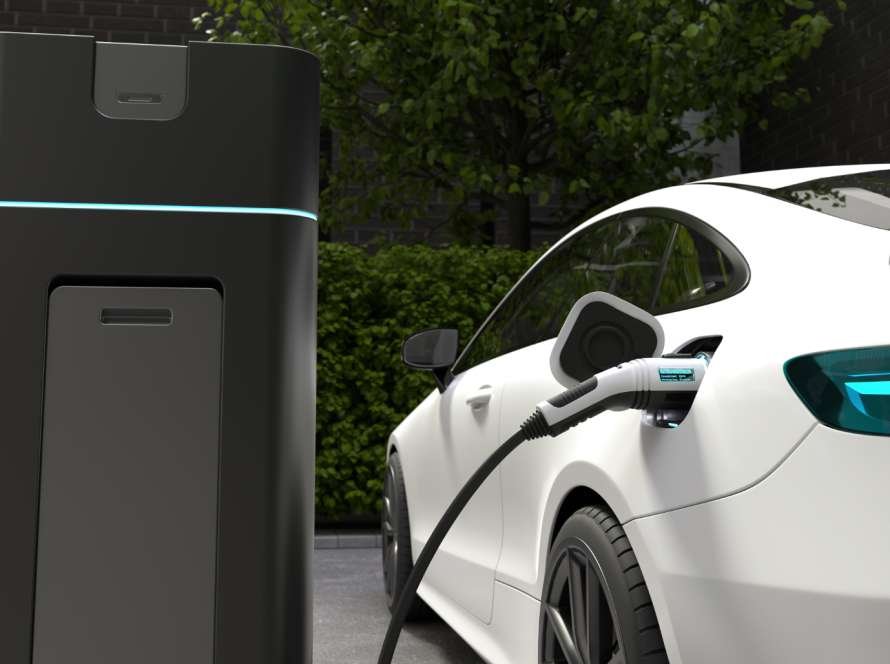
Autonomous ride-hailing services are being integrated with mobility fintech platforms to manage fleet operations, facilities, and charging infrastructure, ensuring smooth commercial operations.
For C-suite leaders, this underscores the importance of engaging with regulators, city authorities, and infrastructure providers to shape policies that support safe, scalable deployment.
What C-Suite Leaders Should Do Next
For executives in mobility, automotive, technology, and urban infrastructure, the accelerating driverless future demands a clear, proactive strategy:
- Assess the competitive landscape
Monitor robotaxi deployments and partnerships in key markets to understand how the mobility ecosystem is evolving and where new threats and opportunities lie. - Evaluate partnership opportunities
Consider strategic alliances with autonomous technology firms, automakers, and ride-hailing platforms to access technology, scale, and customer reach without building everything in-house. - Integrate autonomous mobility into urban and regional plans
For cities and infrastructure operators, incorporate robotaxi services into master plans for public transport, last-mile connectivity, and smart city development. - Focus on safety, reliability, and customer experience
Prioritize robust safety systems, remote monitoring, and seamless user interfaces to build trust and drive adoption among passengers and regulators. - Prepare for regulatory and workforce transitions
Engage with policymakers to shape balanced regulations and develop workforce transition plans for drivers and related roles as automation scales.
Looking Ahead
The global robotaxi rollout in 2025 is a clear signal: the driverless future is arriving faster than many expected. From fully driverless commercial operations in Chinese megacities to expanding services in the U.S., Europe, and the Middle East, autonomous mobility is moving from the lab to the street.
For C-suite leaders, this is not just a technology trend-it is a fundamental shift in how people and goods move in cities. Those who act now to understand, adapt to, and shape this transformation will be best positioned to lead in the next era of mobility.