As autonomous vehicle programs transition from experimentation to commercial reality, Seeing Machines has announced the launch of a dedicated Future Mobility Group, reinforcing its strategic focus on safety, scalability, and human-cantered autonomy. The new group is designed to support OEMs and autonomous vehicle (AV) developers as they integrate production-ready driver and occupant monitoring systems (DMS/OMS) into next-generation mobility platforms.
The move signals a clear recognition that autonomy at scale requires more than advanced perception and control-it demands vehicles that understand human behaviour inside the cabin as reliably as they interpret the road environment.
Meeting the Next Phase of Autonomous Deployment
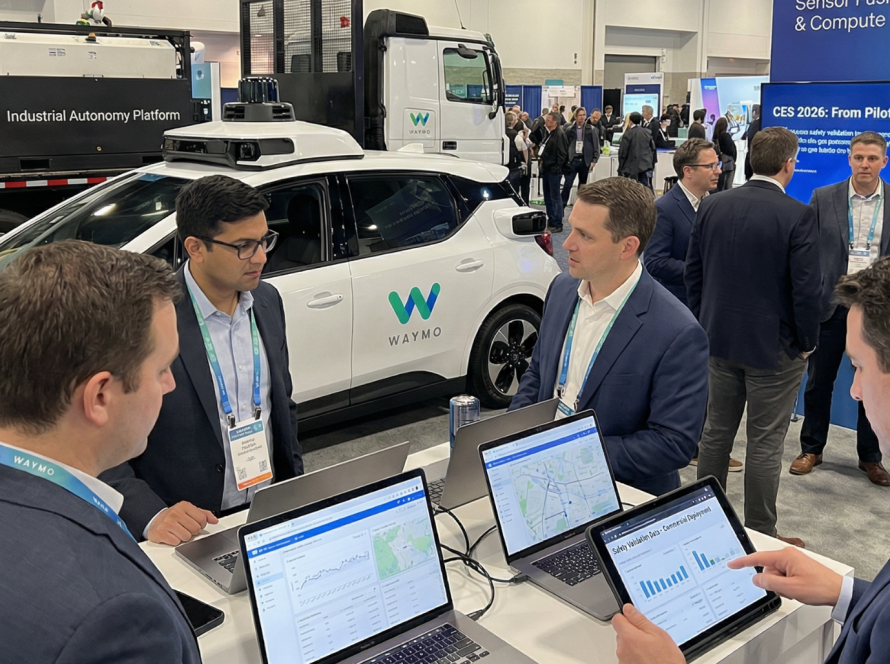
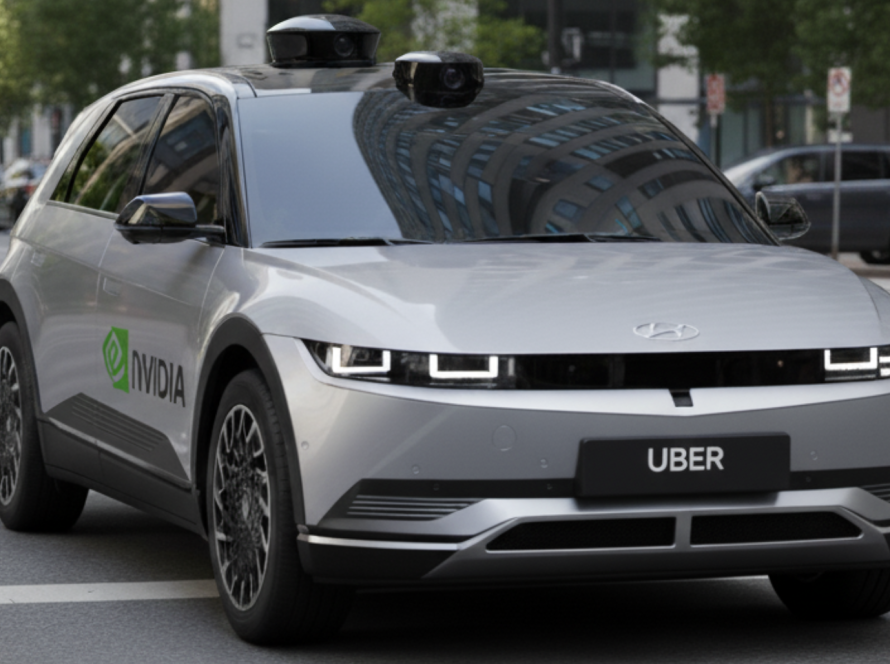
Globally, autonomous vehicle initiatives are advancing beyond pilot programs toward real-world, revenue-generating operations, including robotaxi fleets, logistics vehicles, and remotely supervised platforms. This shift is driving increased demand for robust, reliable, and scalable safety systems that can operate consistently across diverse operating conditions.
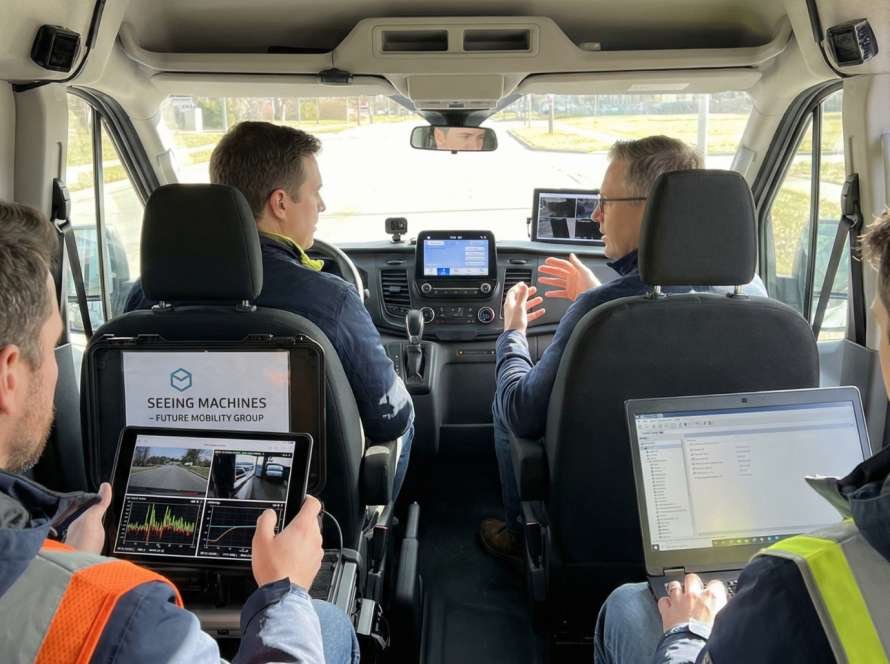
Seeing Machines’ technology is already embedded in more than 1,000 autonomous development vehicles worldwide, leveraging its Guardian-based platform to monitor driver attention and occupant status in real time. These capabilities are becoming increasingly critical as autonomy levels rise and responsibility dynamically shifts between humans and automated systems.
The Future Mobility Group will work closely with global partners across the full lifecycle of autonomous programs, from early design and validation through deployment and long-term operations.
Interior Sensing as a Strategic Differentiator
According to CEO Paul McGlone, the initiative reflects a broader industry truth: the future of mobility depends on systems that understand people as well as machines. By aligning its commercial engagement model with the evolving needs of autonomous mobility providers, Seeing Machines aims to strengthen trust, safety, and regulatory confidence in autonomous systems.
Interior sensing-encompassing driver attention, readiness, and occupant monitoring-is increasingly viewed as a foundational layer of autonomous vehicle architecture. These systems enable vehicles to make safer decisions, manage edge cases, and operate more reliably in complex, mixed-autonomy environments.
Implications for OEMs and Mobility Operators
By establishing a team dedicated exclusively to future mobility, Seeing Machines positions itself among the first interior sensing specialists to address autonomous vehicle programs at scale. For OEMs and fleet operators, this approach offers:
- Reduced integration risk through production-ready DMS/OMS solutions
- Scalable safety frameworks for commercial AV fleets
- Improved regulatory alignment as global safety standards evolve
- Higher passenger trust and system transparency
The Future Mobility Group underscores a critical shift in the autonomous vehicle narrative-from proving that vehicles can drive themselves to ensuring they can operate safely, commercially, and responsibly at scale.
Executive Takeaway
For industry leaders navigating the autonomous transition, Seeing Machines’ move highlights a defining priority: human-cantered safety is no longer optional-it is a commercial and regulatory imperative. As autonomy matures, interior sensing will play a decisive role in determining which platforms succeed in large-scale deployment.
Seeing Machines’ Future Mobility Group positions the company at the intersection of technology readiness, safety leadership, and scalable autonomy, reinforcing the importance of understanding people-not just vehicles-in the future of mobility.